

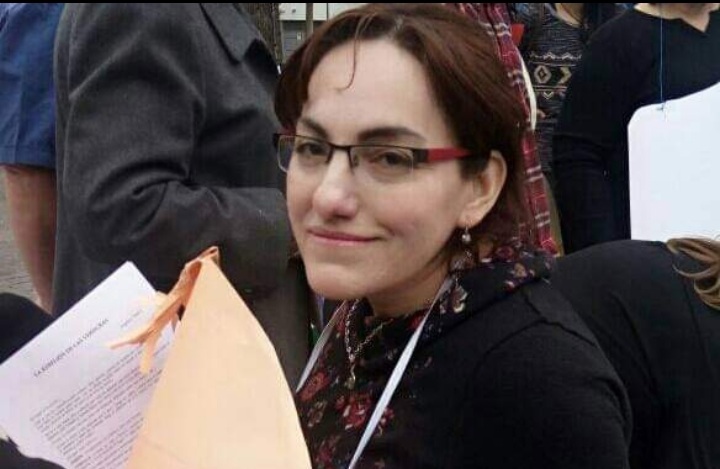
Bien sujeta a la manilla de la tina me ducho con muchísimo cuidado, porque me he caído algunas veces y a pesar de los moretones, no me amedrento. Mis padres tienen todo dispuesto para mi seguridad, pero los accidentes ocurren. De vez en cuando me toca preparar el almuerzo y los temblores inesperados de mi cuerpo me han provocado algunos …
Mi discapacidad orgánica y la iniciativa de ley
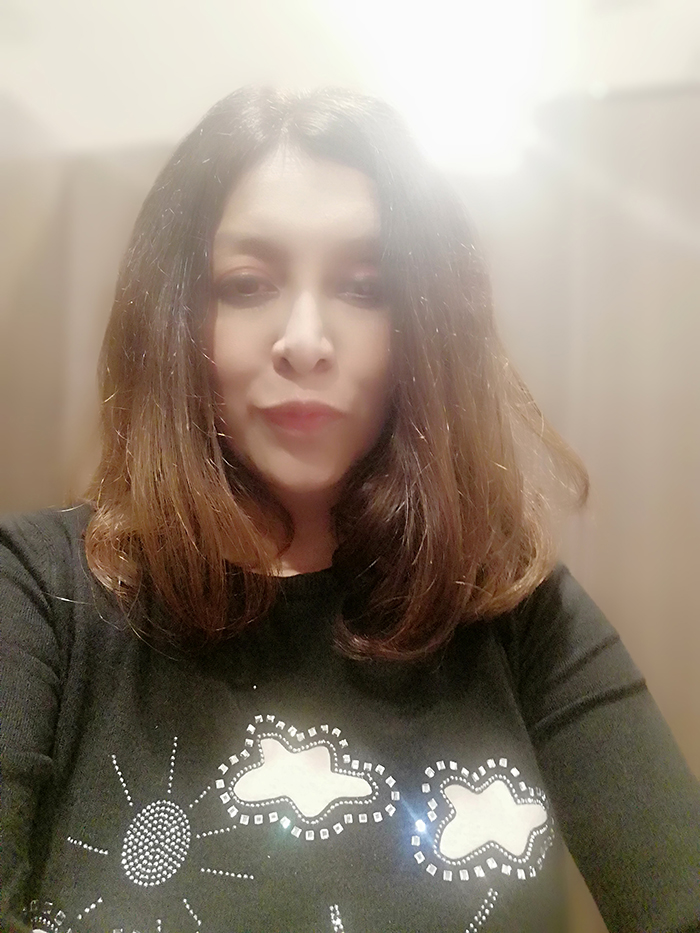
Sobrevivo con discapacidad múltiple que han generado patologías emergentes y desconocidas en México como fibromialgia, disautonomía, sjogren, encefalomielitis miálgica, POTS, SQM, entre otras. Me convertí en activista hace 14 años cuando la versión severa y desconocida de la encefalomielitis miálgica me dejó en lo que le llaman el 25%, es decir la gente con la versión grave e incapacitante que …
Si tan solo normalizáramos la diferencia

Soy Ana Noguera y hace 30 años que vivo la discapacidad desde fuera, pero muy adentro ha sido el motor de mi vida. He sido terapeuta y maestra de bebés y niños con padres de nivel socioeconómico alto, y ahora, trabajo con adultos con discapacidad de familias de muy escasos recursos. Nuestros días, hasta que llegó la pandemia, están llenos …
Dejar de sobrevivir para empezar a vivir
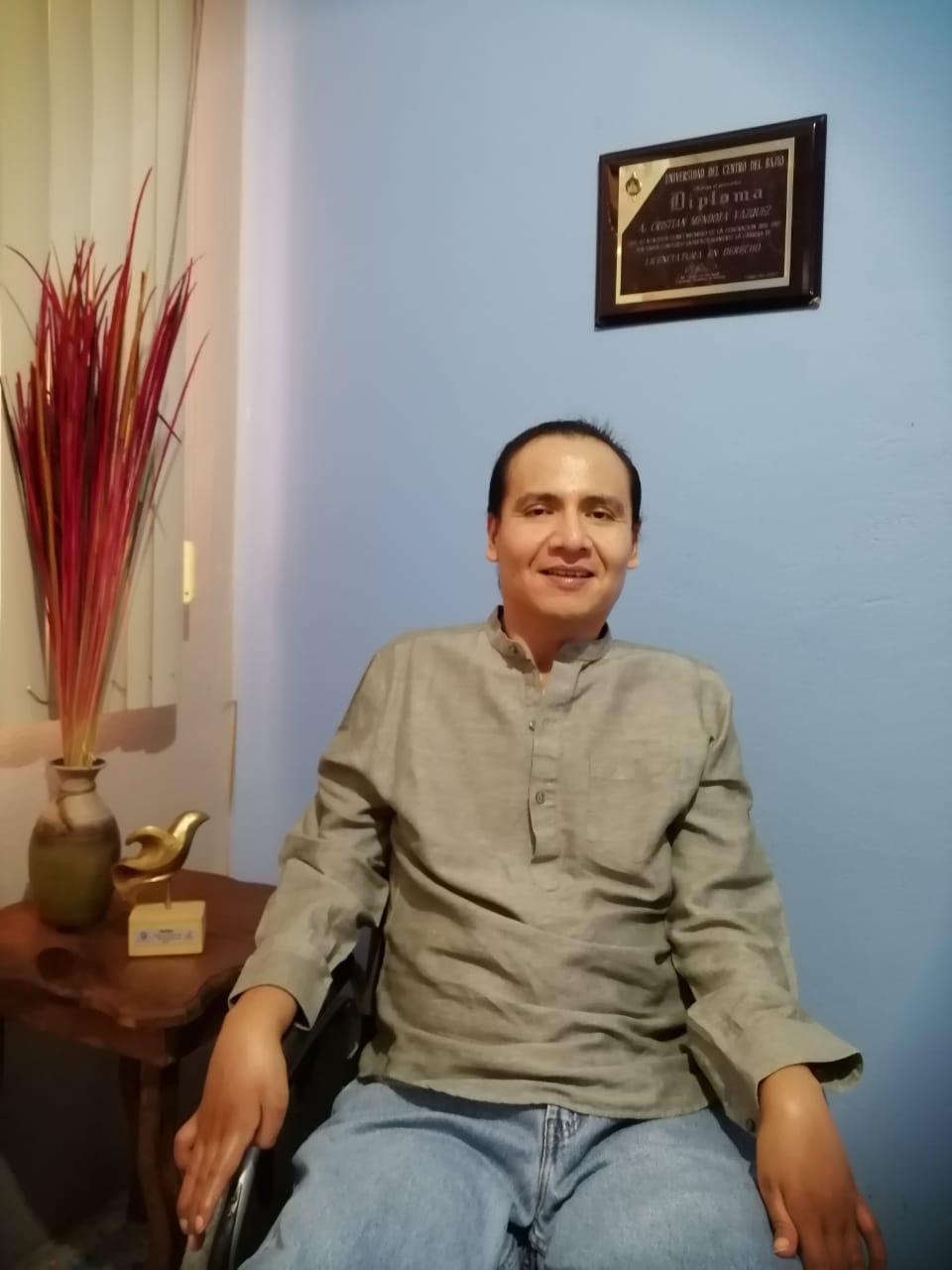
Mi vida transcurría con la mayor normalidad, con las “problemáticas” propias de un joven de 17 años que cursa el quinto semestre de preparatoria, hasta el 18 de octubre de 1997. De regreso de una salida de diversión al Festival Internacional Cervantino en Guanajuato capital, sufrí un accidente automovilístico que dio a mi vida un giro de 360 grados, pues …
Tomar la iniciativa propia y aceptar el apoyo
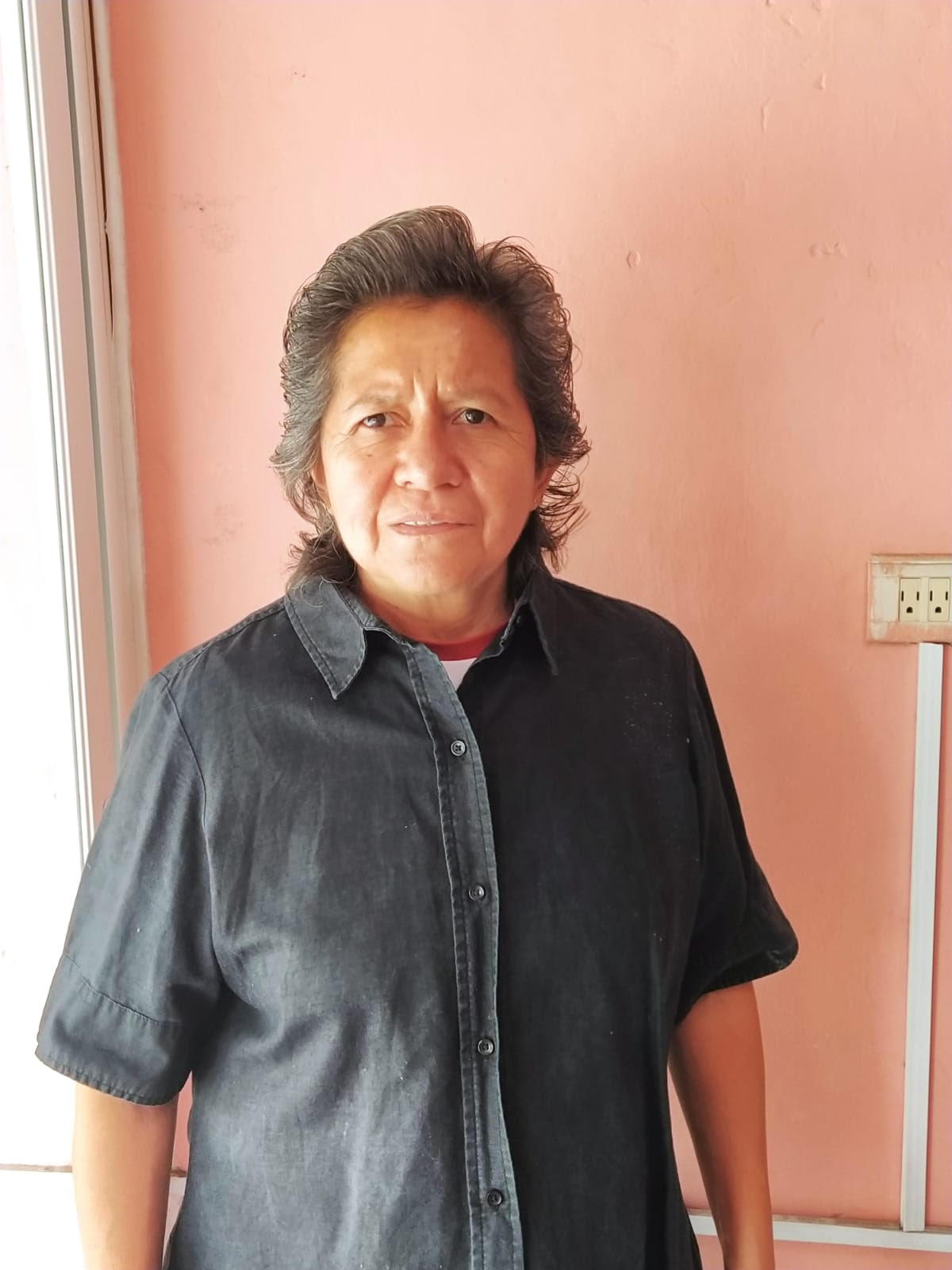
Hola, mi nombre es Marta López Vértiz y quiero compartir el día de hoy mi historia de vida. Yo tengo discapacidad visual adquirida hace 12 años por un medicamento mal administrado. Cuando la discapacidad llegó fue muy doloroso para mí. Fue un tema que me costó mucho trabajo entender y asimilar, porque se acabó mi economía, el trabajo, los amigos, …