

Beyond Encampment is a series of conversations reflecting on efforts of design professionals who work to change the paradigm of enclosure, and who practice models of urban integration and refugee resettlement through design activism. Worldwide, the number of asylum seekers has doubled in the past decade alone, nearly exceeding 80 million as of 2021. In the last four years this …
Rafael Fernández López
En la universidad hay una presión para que uno declare su identidad como académico en términos de un pensar en cuanto seguimiento de un objeto o persona. Esta presión revela el registro identitario que estructura el sistema académico. Como estudiante de doctorado, soy parte institucionalmente de tal registro. Sin embargo, como intento demostrar en este texto, este registro no es inescapable. Mi trabajo es resultado de la necesidad de imaginar un camino alternativo del pensar en cuanto seguimiento: un camino hacia un pensar que no esté definido por la urgencia de seguir algo o a alguien, sino que permanezca suspendido en un seguimiento silencioso y sin camino. Un pensar que rehúse confesar su camino en nombre de un objeto o persona. Esta es la huida que ofrezco en este texto.
Pensar en cuanto huida necesita entenderse dentro de lo que Alberto Moreiras llama “el registro marrano”. Ser marrano en términos intelectuales es darse cuenta de la presión ejercida por la identidad, no dejando que ésta determine el camino del pensar de uno. Esta es, tal vez, la razón por la cual he viajado y estudiado en diferentes países desde que acabé mis estudios de Filología Clásica en la Universidad de Barcelona en 2014. Primero viví en los Países Bajos donde cursé una maestría en European Literatures and Interculturality en la Universidad de Groningen. Después de ello, opté por el doctorado en Hispanic Studies en Texas A&M, donde ahora trabajo en diferentes áreas, de la filosofía continental al cambio climático. Este es un camino que avanza de forma posacadémica, esto es, por fuera de la presión del registro identitario. Un camino que se encuentra en la intersección de diferentes caminos, sin dejarse atrapar por ninguno en concreto. Un camino sin camino, un camino marrano.
The Case for Humanitarian Architecture
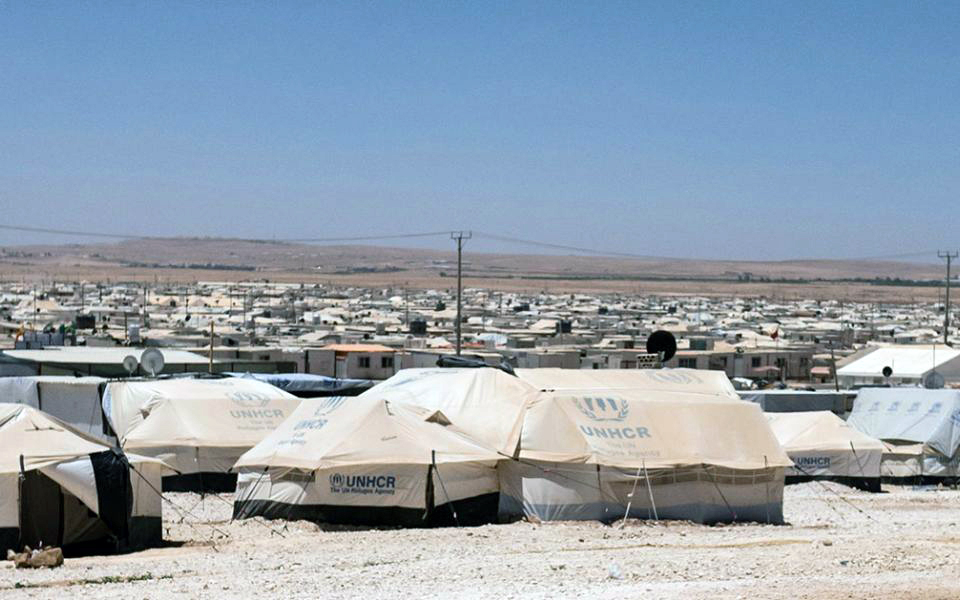
This conversation case for humanitarian architecture frames the method of refugee response between the global and the local. In this conversation Ennead and GDI speak of their complementary work as architects, urbanists and designers working to improve refugee lives in refugee camps worldwide. Their research and constructed projects are presented and discussed with the aid of Brett Moore, Chief of Shelter and Settlement Section of the United Nations High Commissioner for Refugees. GDI is a citizen-organization that intervenes in international conflict zones independently of the United Nations or other jurisdictional authorities, with a unique focus: to build play and public spaces for displaced communities. Ennead Lab’s Rethinking Refugee Communities project is an award winning collaboration with the United Nations High Commissioner for Refugees that addresses the growing and protracted crises affecting the lives of refugees and their host communities. The project rethinks the process of planning, building and operating refugee settlements, with the goal to nurture mutually beneficial relationships and shared resources among refugees and host communities alike.
Post-Trump Immigration Policy, From Central America to the US
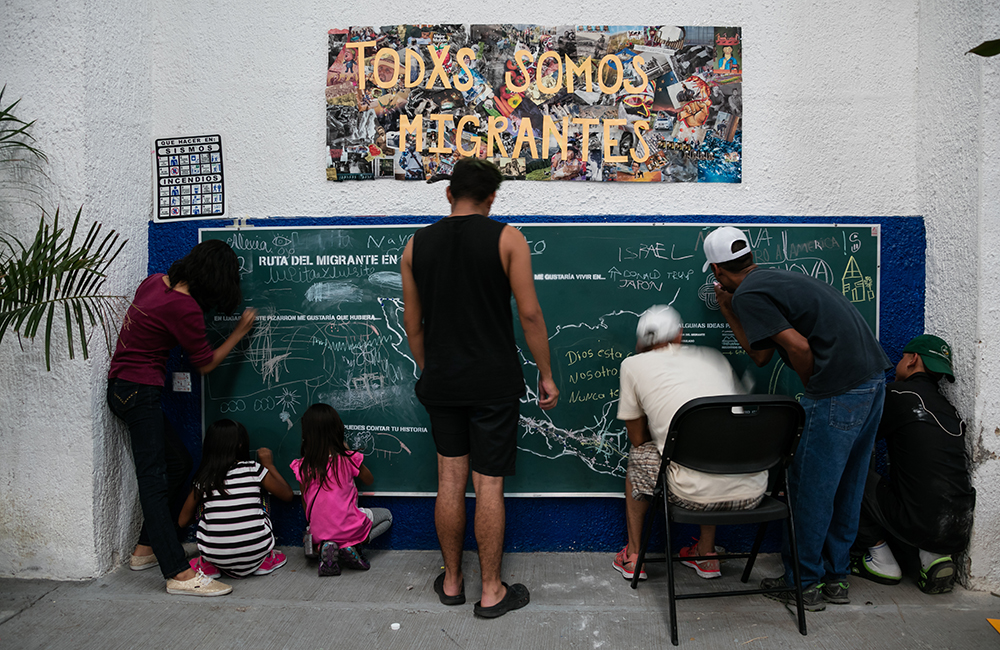
For the conversation Post-Trump Immigration Policy: From Central America to the US, pertains the US-Mexico border, refugee and migrant integration. This conversation was joined by Estudio Teddy Cruz + Fonna Forman, a research-based political and architectural practice in San Diego that has led a variety of urban research and civic / public interventions in the San Diego-Tijuana border region and beyond. The second guest was Pablo Landa, founder of Taller Nuevo Norte, an initiative that organizes workshops where architects, designers and artists work alongside migrants and refugees. He has led art and radio workshops for migrants, developed educational materials for migrant children and women, and established an urban agriculture initiative with refugees who have recently arrived in Monterrey. Lastly, we were joined by Mike Smith Masis is the Director of Entre Nos Atelier. San Jose, Costa Rica, an architectural practice that encourages participation, collaboration, cooperation, and ownership by low income residents, rural and indigenous communities, and communities of informal settlements.
Local and Collaborative Response Rohingya Refugee Camp
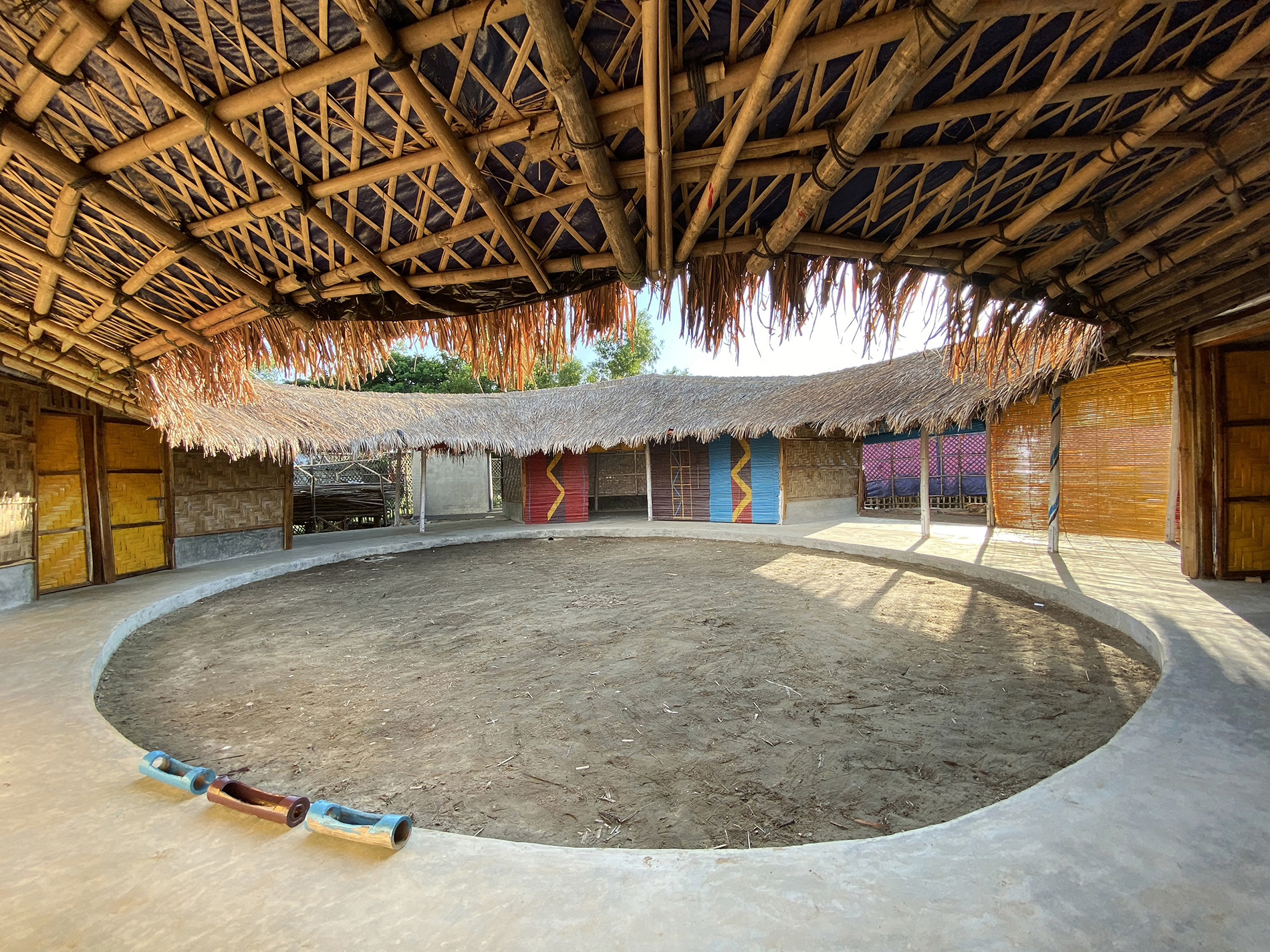
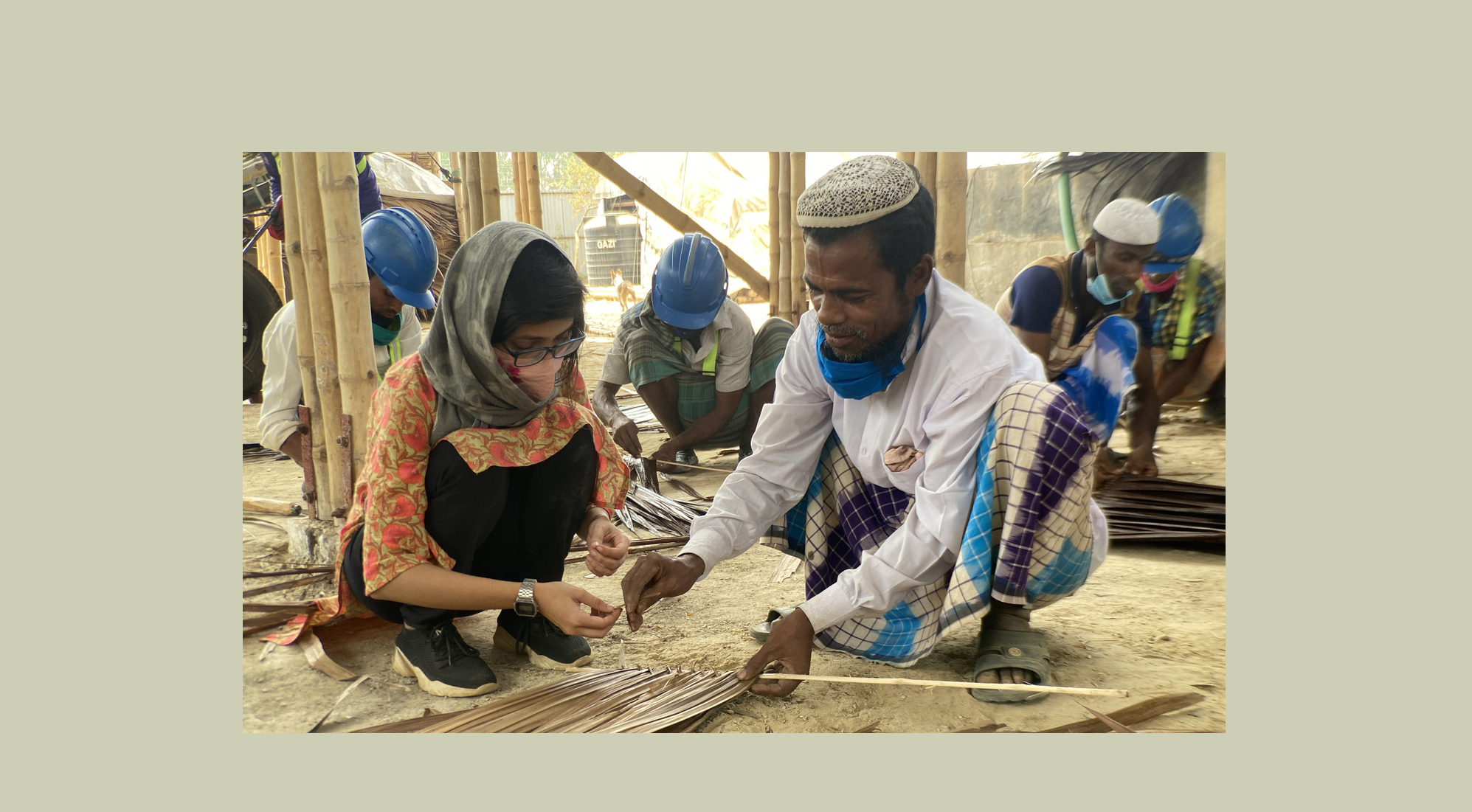
After facing extreme violence and persecution by the Myanmar military, over one million Rohingya refugees arrived in Bangladesh in late 2017. This unexpected mass exodus convening in the southern Chittagong province rapidly created the fourth largest “city” in the country. In this conversation the processes undertaken by three Bangladeshi architects, trained as community architects by Suhailey Farsana and Professor Hasibul Kabir, are discussed and contextualized within the architectural practice of Bangladesh. Saad Mostafava, Fatmi Kwaja, and Rizvi Hassan have worked as architects, or as co-creators, aiding Rohingya communities in exile in Bangladesh in the frontline of the Rohingya Refugee Crisis since 2018. Dean Faud Mallick, current director of the School of Architecture at BRAC University, helps frame the conversation describing their school’s role in producing “community architects”. The work discussed in this panel was recently recognized with the 2022 Aga Khan Award for Architecture, the most prestigious international prize in Architecture in areas with significant Muslim presence.